The Range Rover has spent more than 50 years combining serious off-road capability with the kind of luxury usually reserved for expensive sedans. Now, for 2027, it’s finally going completely electric. And the more I look at the numbers, the more I think an electric powertrain might actually make more sense in a Range Rover than it does in a lot of other vehicles. Think about it. Range Rover buyers already expect silence, smooth acceleration, effortless power and a comfortable ride. Electric motors are pretty good at all four. The catch? The 2027 Range Rover Electric starts at $140,550, so this definitely isn’t an EV designed to save you money at the gas pump.
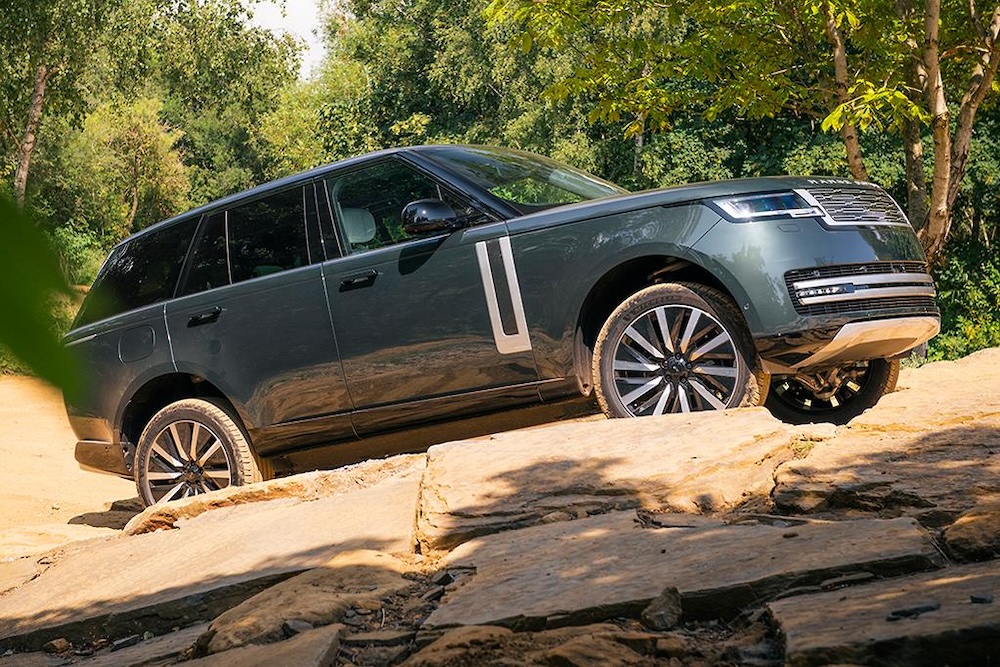
From the outside, Range Rover wisely resisted the temptation to make the electric version look like a spaceship. Unless you know what you’re looking for, you could easily mistake it for the gas-powered model. The basic shape, proportions and minimalist styling are all still there. Changes include a different grille, unique wheels and some aerodynamic work underneath the vehicle to help it move through the air more efficiently. I like that approach. Somebody spending this kind of money probably wants a Range Rover that happens to be electric, not an electric vehicle that happens to have a Range Rover badge.
Underneath is where everything changes. The Range Rover Electric uses two electric motors giving it standard all-wheel drive and a combined 542 horsepower and 627 pound-feet of torque. Range Rover says it can hit 60 miles per hour in about 4.3 seconds. That’s seriously quick for something this large and luxurious, but outright speed probably isn’t the most interesting part. Electric motors deliver their torque immediately, which should make this thing feel almost effortless when you pull away from a stop or need to pass somebody on the highway. That kind of power delivery fits the Range Rover personality pretty well.
The battery is a massive 118.5-kWh unit mounted underneath the floor, and the EPA-estimated driving range is 333 miles. That number matters because a six-figure luxury SUV with 220 miles of range would be a pretty tough sell in 2027. More than 300 miles makes longer trips much more realistic, although—as with any EV—your actual range will depend on temperature, speed, terrain and how aggressively you drive. If you’re spending $140,000 on one of these, I’d also make sure home charging is already part of the plan before the vehicle ever arrives in the driveway.
Charging speed is another area where Range Rover appears to have done its homework. The Electric uses an 800-volt architecture and can accept up to 350 kW from a compatible DC fast charger. Range Rover says going from 10 to 80 percent can take about 22 minutes under ideal conditions, while around 125 miles of range can be added in 10 minutes. It also comes with a NACS charging port, which should make finding compatible fast charging easier. Just remember that those maximum charging numbers depend on finding the right charger and having the battery at the proper temperature. The number printed in the brochure isn’t necessarily what you’ll see every time you plug in.
Inside, Range Rover hasn’t tried to reinvent something that was already one of the strongest parts of the vehicle. The cabin remains clean, modern and extremely upscale, and buyers can configure the interior for four, five or even seven passengers depending on the version and wheelbase. There’s also a leather-free interior option for buyers who prefer materials such as wool and other textiles. This is still a Range Rover first and an EV second, and I think that’s important. You’re buying this because you want the luxury, space and experience of a flagship Range Rover. The electric drivetrain is simply another way of delivering it.
What’s more surprising is that Range Rover hasn’t forgotten about off-road capability. The Electric uses an electronically controlled traction-management system that can react to wheel slip extremely quickly, and the adjustable air suspension can raise the vehicle when you need additional ground clearance. Range Rover also says it can wade through roughly 35 inches of water, matching the capability of the gas-powered model. Will most owners ever put a $140,000 electric Range Rover through three feet of water? Probably not. But knowing it can do it has always been part of the appeal.
There are going to be some tradeoffs. This is a large, heavy luxury SUV carrying an enormous battery, and replacement tires, insurance and normal Range Rover ownership costs aren’t suddenly going to become inexpensive because you stopped buying gasoline. Road trips still require more planning than they would with the gas or plug-in-hybrid versions, and buyers who regularly travel through areas with limited fast-charging infrastructure may find the P550e plug-in hybrid easier to live with. That’s the version I’d seriously compare against the Electric before making a decision.
There’s also a growing list of very expensive electric SUVs competing for this buyer. The Cadillac Escalade IQ offers enormous power and range, the Mercedes-Benz EQS SUV goes heavily toward technology and comfort, and vehicles like the Lucid Gravity bring their own combination of performance, space and efficiency. But I’m not sure a Range Rover shopper is going to make this decision entirely with a spreadsheet. This brand has always sold a particular combination of image, luxury and genuine capability, and the Electric doesn’t appear to change that formula. It just removes the gasoline engine.
The 2027 Range Rover Electric is obviously not going to be for everybody, but that isn’t really the point. At $140,550 before options and destination, affordability isn’t part of the conversation. What interests me is how naturally an electric drivetrain seems to fit what a Range Rover has always tried to do. It’s quiet, powerful, smooth, capable and has enough estimated range that you shouldn’t spend every drive staring nervously at the battery gauge. If I were considering one, I’d compare it directly with the plug-in hybrid and be realistic about where I drive and where I charge. If those pieces fit, the electric version may actually be the Range Rover powertrain that makes the most sense.
And before visiting a Range Rover retailer, go to Quotes.EverymanDriver.com, enter your ZIP code and compare local pricing before you start the buying process.