The 2026 Nissan Rogue Plug-In Hybrid is one of those vehicles that quietly fills a gap most people didn’t even realize existed. You want SUV utility, good family room, tech that feels modern without overwhelming, and a drivetrain that gives you some EV range without the full-on planning of a battery-only electric? The Rogue PHEV tries to give you exactly that — and for the price and everyday use case, it’s one of the more practical plug-in SUVs you can buy today.
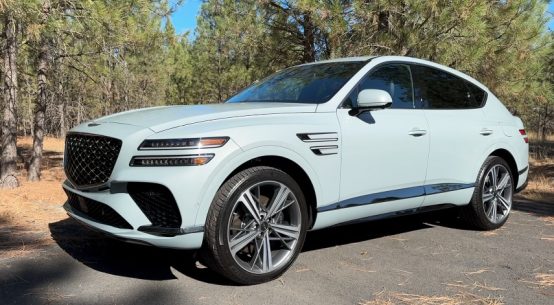
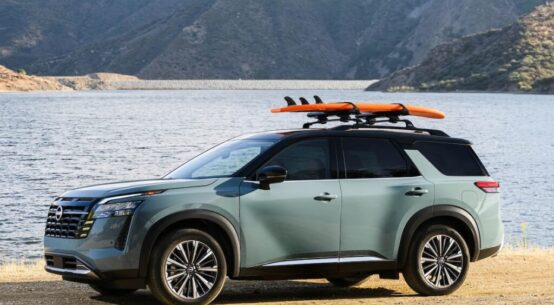
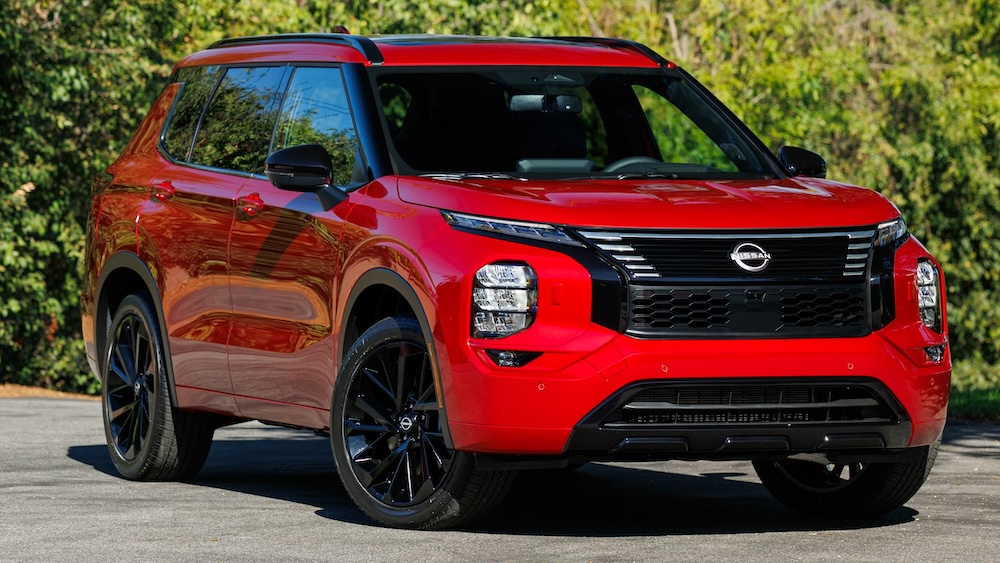
Right from the first look, the Rogue PHEV reads like a well-heeled compact SUV. Nissan didn’t go wild with styling, but it did make a refined package that feels contemporary without drawing unwelcome attention. You get familiar Rogue proportions — steady lines, a confident stance, and a finished look that works with nearly any lifestyle. It isn’t flashy, but there’s an understated quality that says “smart SUV choice” rather than “look at me.”
Inside, the cabin keeps that same practical, functional vibe. The layout is clean and family-friendly with plenty of visibility, comfortable seats for five, and enough cargo space for most daily needs — groceries, sports gear, weekend trips, and more. Rear legroom is solid for a compact SUV, and while those in the third row (if equipped in non-PHEV crossovers) might have more to wish for, the PHEV’s two-row layout prioritizes space where you use it most. Materials are pleasant enough, infotainment is modern, and the overall feel isn’t premium-luxury but definitely belongs to a higher tier than mainstream compact SUVs.
Under the hood, the Rogue PHEV pairs a gasoline engine with electric motors and a battery pack that gives it real plug-in capability. That means you can cover many daily drives on electricity alone before the engine kicks in — a big quality-of-life improvement over traditional hybrids or gas-only vehicles. The exact electric-only range is strong enough to handle most commutes and errand loops without burning fuel, and when you do go beyond that, the hybrid side of the powertrain keeps things efficient and smooth. Nissan’s engineering here is more about practical use than headline-grabbing specs: instant EV torque around town, seamless blending when the gas engine comes in, and a transition that feels natural rather than jerky.
As you’d expect from Nissan’s approach to all its Rogue models, the ride quality is calm and easy. It’s not a performance SUV — and Nissan doesn’t try to sell it that way — but it’s confident in daily traffic, composed on the highway, and predictable in corners. Steering is light and appropriately weighted for city steering, while suspension tuning leans toward comfort without feeling floaty. Exactly what most Rogue buyers want: reliable mobility, not a sports-car experience.
Tech and safety feel very current. You get a modern infotainment suite that’s responsive, plenty of connectivity, and safety systems that help take stress out of driving. Standard or available features like adaptive cruise control, lane-keeping assist, blind-spot monitoring, and rear cross-traffic alert make every drive easier and safer. If you pack passengers or cargo often, it’s nice to have a suite of aids that work without fuss — and Nissan’s systems strike a good balance between helpful and invisible.
Value is where the Rogue PHEV stands out. Pricing starts in territory that’s surprisingly accessible for a plug-in SUV, and when you factor in everyday utility, standard tech, and Nissan’s reputation for reliability and running costs, it creates a compelling ownership story. You don’t need to overspend to get into a compact SUV that gives you some real EV advantage — where many rivals either charge more or compromise on range, the Rogue PHEV feels like a thoughtful blend of powertrain, practicality, and price.
Of course, no vehicle is perfect. Plug-in SUVs often require thinking about charging access — and the Rogue is no exception. You’ll want a home charger or easy public charging access to maximize the benefit of the electric side. Cargo space dips slightly versus the gas-only Rogue because of battery packaging, and if electric-only range matters most, more dedicated EVs still lead the field. But if your priority is reducing fuel stops without adding range anxiety, the PHEV is very much a solid middle path.
Who should buy the 2026 Nissan Rogue PHEV? If you want an SUV that feels right for daily life — roomy, safe, efficient, and calm — yet still gives you the benefit of electric driving without a pure EV’s planning needs, this is a smart pick. It’s especially compelling for commuters, families with mixed driving patterns, and anyone who wants practical EV benefits woven into a well-rounded SUV.
Before you commit to a deal, check live dealer pricing in your ZIP code at Quotes.EverymanDriver.com. That’s where true invoice pricing and local incentives show up — and with PHEVs, that can make a real difference in what ends up in your driveway versus what you pay at signing.