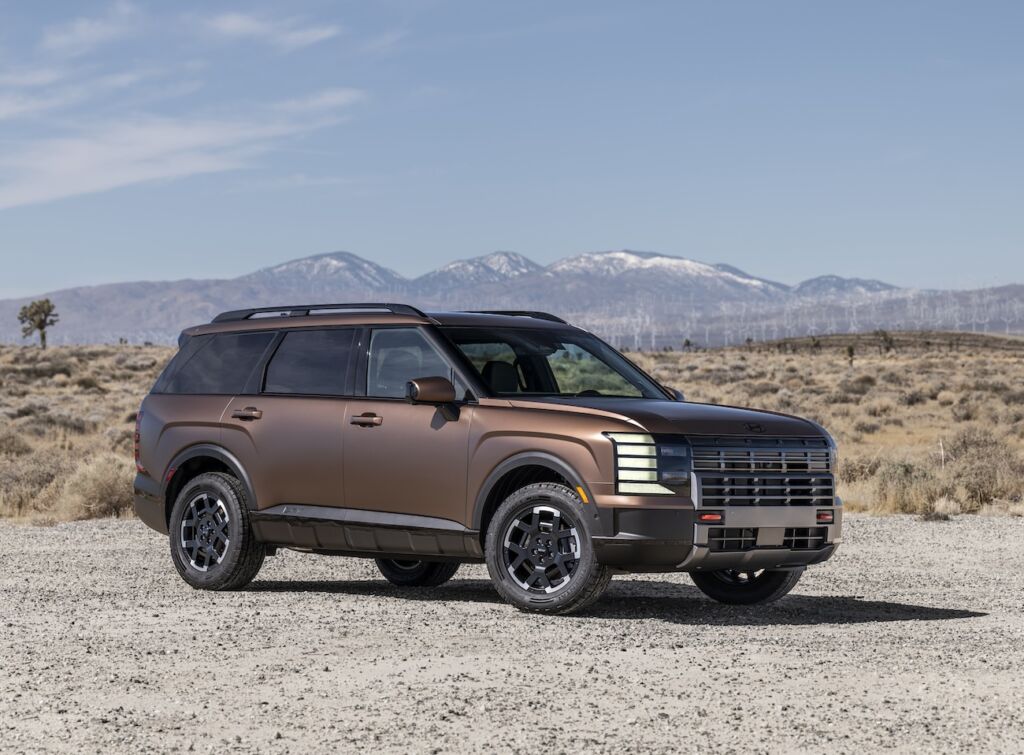
I didn’t expect the Palisade XRT Pro to be the trim that made me stop mid-shoot and go, “Wait… THAT’S what they’re doing?” Hyundai is clearly chasing the rugged-family-SUV buyer right now, and this one is designed to hit you right in the impulse-control. It looks tougher, sounds tougher, and the sales pitch is going to be even tougher. The surprise is how easy it is to get emotionally sold… and financially punished.
This is for the smart buyer who wants a comfortable three-row daily driver but also wants the appearance of “I’m ready for anything.” If you mostly commute, haul kids, and do weekend errands but still want something that doesn’t look like a rolling appliance, you’ll get the appeal. If you’re truly trying to replace a body-on-frame SUV for serious off-road use, or you’re extremely price-sensitive, skip this trim and don’t romanticize it. Tough looks don’t lower your payment.
In person, the XRT Pro leans into that bolder road presence—more upright attitude, darker accents, and a “don’t mess with me” face. It’s the kind of SUV that looks like it belongs in an REI parking lot even if it spends its whole life at Target. The stance and proportions work, and from the driver’s seat it feels substantial without being cartoonish. Just remember: exterior vibe is free; the upcharge is not.
Inside, the Palisade is still playing the “near-luxury for less” game—and it mostly works. The layout is clean, the cabin feels intentionally designed, and the overall impression is that Hyundai understands what American families actually touch, grab, and spill on. Some surfaces will feel nicer than you expect at this price point, and a couple will remind you you’re not in a luxury badge. The real question is simple: does it feel worth the money after the dealer adds their nonsense?
Up front, it’s easy to get comfortable quickly, and the driving position makes sense for daily life—good sightlines, controls where you expect them, and a cockpit that doesn’t feel like a tech demo. What I’d watch for on a test drive: take it over a rough stretch at neighborhood speeds and pay attention to any steering “tug” or choppy suspension reactions—rugged-looking trims sometimes ride harsher than buyers expect. Then do a slow, tight parking-lot loop and listen for tire scrub and low-speed clunks. If it feels busy and noisy at low speeds, it’ll annoy you every day.
Infotainment and tech is where Hyundai usually tries to win on value, and this should feel feature-rich in real-world use. The good stuff is the everyday convenience—fast phone pairing, clear screens, and helpful camera views when you’re threading a big SUV into tight spaces. The annoying part is usually the “too many layers” problem: a couple of simple tasks can take more taps than they should, especially if you’re coming from an older vehicle with real knobs. My rule: if you can’t change key settings without taking your eyes off the road for more than a moment, that’s not “premium,” that’s a distraction.
Performance is less about wow and more about confidence, and that’s exactly what most Palisade buyers want. It should feel smooth, predictable, and strong enough to move a loaded cabin without sounding like it’s begging for mercy. The transmission behavior matters more than the headline power—pay attention to how it shifts in stop-and-go traffic and whether it hunts around on mild hills. If it feels indecisive when you’re just trying to cruise, that’s a long-term irritation you can’t unsee.
Ride comfort and noise are where this trim’s “tough” personality can cut both ways. On the highway, you want calm, straight tracking, and a cabin that doesn’t turn every expansion joint into a mini event. In the city, you want it to absorb bumps without that stiff, jittery feel some appearance packages bring along for the ride. Behind-the-scenes tidbit: I shot this right after a cold start in a windy parking lot, and the first thing I noticed on my test loop was how quickly tire noise and road texture can become the dominant soundtrack if the setup leans too aggressive—don’t ignore that on your drive.
Rear-seat reality is where the Palisade usually earns its keep. Adults should be able to sit back there without feeling punished, and kids won’t run out of room the second you slide the front seats into a comfortable spot. If you’re doing car seats, bring one—seriously—and test the angles and access instead of trusting the brochure vibe. The best use case is obvious: family duty during the week, friends and gear on the weekend, and enough space that nobody’s negotiating knee room like it’s a hostage situation.
Cargo and utility is the Palisade’s quiet advantage when you use it like a normal person. It’s not just “how much fits,” it’s how easy it is to load, how flat the space feels when you fold things down, and whether the opening and liftover height make daily life simpler or more annoying. Big SUVs can still be bad at cargo if the packaging is awkward—so check whether the rear space is usable for bulky, real items like strollers, coolers, sports bags, and the random Costco chaos you swear you weren’t going to buy.
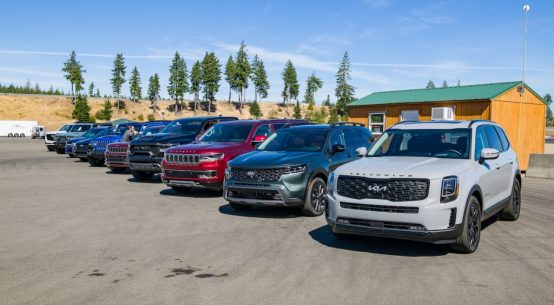
Now the money talk—because that’s where the XRT Pro can either make sense or become a trap. Here’s how dealers will try to sell you… they’ll pitch “exclusive,” “hard to get,” and “this is the one everyone wants,” then sprinkle in add-ons you didn’t ask for. Here’s where you’ll overpay… appearance-driven packages, inflated protection bundles, and the classic “market adjustment” nonsense if inventory is tight. Here’s what I’d actually do… cross-shop a Hyundai Palisade in a more value-focused trim if you don’t truly care about the rugged look, and compare it directly against a Kia Telluride, Honda Pilot, and Toyota Grand Highlander before you sign anything. Strong opinion moment: do you want your SUV to look adventurous, or do you want it to buy you the best comfort and value for the money—what matters more to you?
Verdict: this is a smart family SUV wearing a tougher costume, and that can be a good thing if you buy it with your brain on. Big pro: comfort and day-to-day usability that fits real American life. Big con: the “rugged” angle can become a pricing trap if you let the dealer steer the deal instead of you. My take: buy it because you like how it drives and lives, not because the trim name makes you feel brave. Before you buy, compare real dealer pricing at Quotes.EverymanDriver.com and make dealers compete for your business.