I shot the 2026 CX-30 and had the same reaction I always have with this thing: “How does a small SUV feel this upscale… and still set buyers up to overpay?” Mazda’s secret sauce is real, and it hits you fast. The surprise is how quickly the CX-30 can go from “smart buy” to “why is my payment like this?” Small crossover, big temptation.
This is for commuters, couples, and small families who want a nicer-feeling cabin and a more “driver’s car” vibe without stepping into a luxury badge. It’s also for anyone who wants standard all-wheel drive without playing option-package bingo. If you routinely carry tall adults in the back seat, haul bulky gear, or you just want maximum space per dollar, skip it and don’t force it. The CX-30 is honest about what it is—buyers are the ones who get unrealistic.
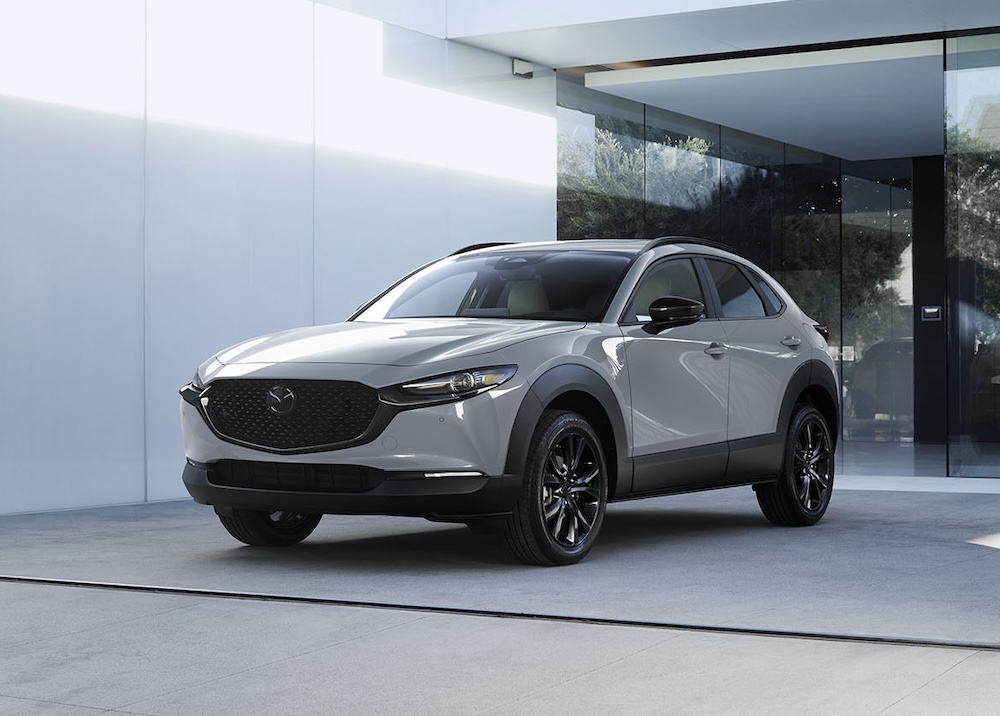
In person, the design is the CX-30’s best salesman. It’s sleek, sculpted, and it has that “expensive from 20 feet away” look that makes rivals feel rental-grade. The cladding is heavy, the stance is confident, and it looks like a hatchback wearing hiking boots. If you care about curb appeal, it delivers—just don’t let styling be the reason you accept a bad deal.
The interior is where Mazda embarrasses the segment. The layout is clean, the materials feel thoughtfully chosen, and it doesn’t scream “budget crossover” the moment you touch the door panel. It feels more premium than many competitors, full stop. The catch is simple: nice cabin, small footprint—so you’re paying for vibe as much as volume.
Up front, it’s easy to get dialed in. The seats and driving position feel built around a human, not a committee, and the controls aren’t scattered like confetti. What I’d watch for on a test drive: do a few lane changes and shoulder checks—this design trades some rearward visibility for style, and you need to be comfortable with that reality. Then park it twice using mirrors only, because if you’re relying on cameras to compensate for blind spots, that’s not confidence—that’s coping.
The infotainment experience is classic Mazda: it’s functional, but it wants you to learn Mazda’s way of doing things. Some trims add truly useful upgrades like wireless phone connectivity and a bigger center display, but the interface still rewards patience. The good news is it feels less gimmicky than a lot of rivals. The annoying news is you may find yourself doing too many clicks or twists just to change something simple when you’re driving.
On the road, the standard engine is the quiet hero. It’s not here to flex, it’s here to do real life smoothly without drama, and the 6-speed automatic fits the CX-30’s personality better than a lot of “rubber band” setups in this class. If you go turbo, yes, it’s legitimately quicker and more satisfying—but remember the fine print: you’re buying performance in a small vehicle that still has small-vehicle packaging. Speed doesn’t create space.
Ride and handling is where the CX-30 separates itself from the “appliance” crowd. It feels tighter, more controlled, and more connected than most subcompact crossovers, especially at highway speeds. The trade-off is you’ll feel sharper bumps more than you might in a softer, floatier rival, and tire noise can become noticeable depending on the roads you live on. Behind the scenes tidbit: I noticed this while filming my B-roll loop—when I hit a rough patch at 35–45 mph, the body stayed composed, but the sound of the road came through louder than I expected, and that’s something you either tolerate or you don’t.
Rear seat reality is the CX-30’s main compromise, and there’s no sweet-talking it. It’s fine for kids, fine for short trips with adults, and not the vehicle I’d choose for regular rear-seat duty with tall passengers. If you’re doing car seats, bring one and test it, because rear-facing setups can force the front passenger seat into an awkward position fast. This is a “mostly front-seat life” crossover, and that’s okay—as long as you admit it.
Cargo space is usable, not magical. It’ll handle groceries, backpacks, and everyday gear without complaint, and with the rear seats folded it becomes legitimately practical for a small household. But if you’re constantly hauling bulky strollers, big dog crates, or weekend project supplies, you’ll bump into its limits quickly. The CX-30 works best when your life is organized—if your life is chaos, size matters.
Now the money part, because this is where the CX-30 can either be a smart purchase or a textbook trap. Here’s how dealers will try to sell you… they’ll push you toward the turbo and the highest trims by making the standard engine sound “basic,” then pile on protection packages and accessories you didn’t ask for. Here’s where you’ll overpay… paying near-CX-5 money for a smaller CX-30 just because it looks premium, or paying extra for performance you rarely use. Here’s what I’d actually do… target a mid-trim that gives you the comfort and tech you’ll notice every day, then cross-shop Subaru Crosstrek, Toyota Corolla Cross, and Honda HR-V—and yes, also look at a Mazda CX-5 if pricing gets too close. Be honest: would you rather have the turbo punch in a smaller SUV, or more space in a slightly bigger one—and why?
The CX-30 is one of the best “feels expensive” crossovers you can buy without paying luxury money. The downside is it can be priced like a bigger vehicle if you get dazzled by the top trims. Buy it for the driving feel and the cabin, not for the badge or the dealer hype. If you need back-seat space, don’t pretend you don’t. Before you buy, compare real dealer pricing at Quotes.EverymanDriver.com and make dealers compete for your business.