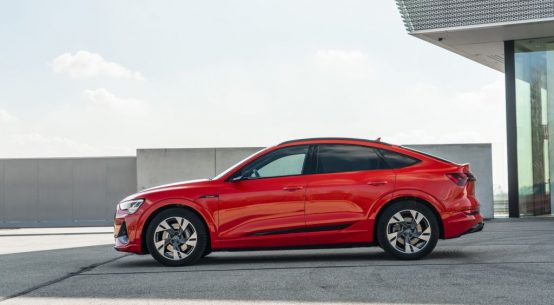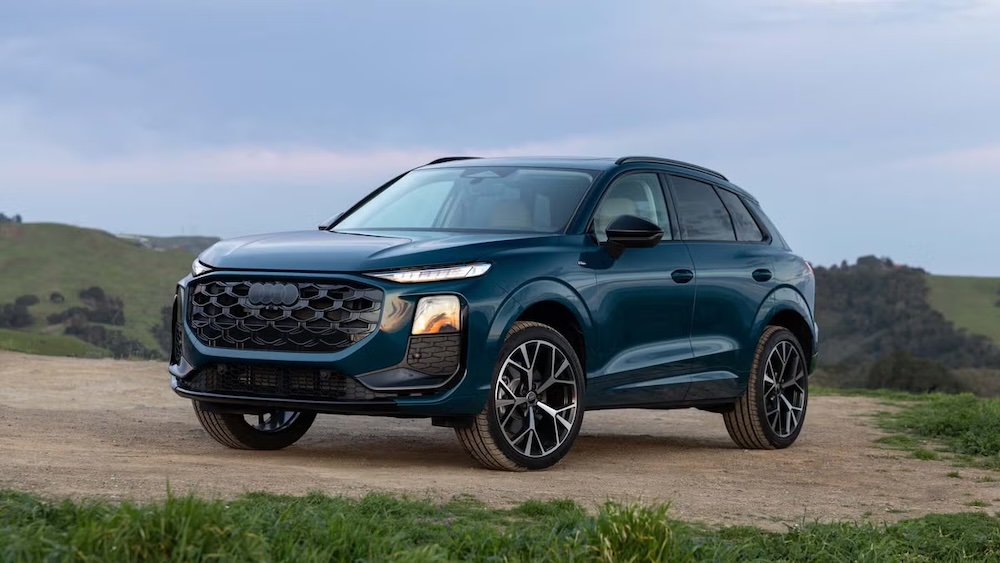
The biggest surprise with the 2026 Audi Q3 is how much more grown-up it feels than the vehicle it replaces. I expected another small luxury SUV with a nicer badge and a higher payment. Instead, Audi gave the Q3 more power, standard quattro all-wheel drive, a sharper cabin and enough personality that it no longer feels like the Audi you buy only because the Q5 is too expensive. That got my attention.
The new design helps. The Q3 is still compact enough to live with every day, but the S line treatment gives it a lower, wider and more aggressive appearance without trying too hard. In the U.S., S line bumpers are standard, and the available larger wheels and Black Optic treatment can make this thing look surprisingly expensive. Just remember: looking expensive and being a good value are two different conversations.
I noticed this while filming the walk-around: the Q3 photographs bigger than it actually feels from behind the wheel. That’s a compliment. You get the visual presence of a more substantial SUV without dealing with the size of one in a parking lot. For buyers moving out of a sedan or a smaller crossover, that combination makes a lot of sense.
Under the hood is a turbocharged 2.0-liter four-cylinder producing 255 horsepower and 273 pound-feet of torque, paired with a seven-speed transmission and standard quattro all-wheel drive. Audi says 0-to-60 happens in about 5.5 seconds, which is legitimately quick for an entry-level luxury SUV. More important, you no longer have to pay your way into a stronger engine. There’s one powertrain, and it’s the one you want.
On the road, that extra power matters more than the spec sheet suggests. The Q3 doesn’t need a long runway to merge, and you don’t have to bury the accelerator every time you want to pass somebody. Quattro adds another layer of confidence in rain, snow and questionable road conditions. This isn’t an SQ3, so don’t expect a little rocket ship, but it doesn’t drive like an economy crossover wearing expensive clothes either.
Here’s what I’d watch for on a test drive: pay attention to low-speed transmission behavior, ride quality and road noise on the exact wheel-and-tire package you’re considering. Drive it through a parking lot, make a few slow turns, then find a rough section of pavement. The larger wheels look better, but bigger wheels can mean a firmer ride and more expensive replacement tires. Don’t test-drive one version and buy another assuming they’ll feel identical.
Inside, the Q3 finally looks like it belongs with Audi’s newer products. You get an 11.9-inch digital cockpit paired with a 12.8-inch center touchscreen, wireless Apple CarPlay and Android Auto, and a cabin that feels modern without becoming completely ridiculous. Heated front seats, a panoramic sunroof and acoustic front glass are standard. That’s a strong equipment list for a vehicle starting in the low-$40,000 range.
I do have one warning about all this technology. Sit in the vehicle for ten minutes before you sign anything and actually use it. Change the climate settings, connect your phone, move through the menus and adjust the driver-assistance features. A beautiful screen means nothing if you hate interacting with it every day. Fancy tech gets old fast when basic tasks become chores.
The back seat is more useful than you might expect, especially because it can slide, recline and fold in a 40/20/40 configuration. Cargo space is roughly 25 cubic feet behind the rear seats and nearly 50 with them folded. That isn’t massive SUV territory, but it’s enough for groceries, luggage, sports gear and most normal family duty. If you routinely haul three kids, two dogs and half of Costco, buy something bigger.
Here’s how dealers will try to sell you the Q3: they’ll get you excited about the S line look, bigger wheels, black trim, upgraded audio, camera systems and every technology package they can put on the window sticker. Suddenly, the affordable Audi you came to see isn’t so affordable anymore. That’s the trap with compact luxury SUVs. The options can move the price dangerously close to the next size class.
Here’s where you’ll overpay: appearance upgrades you liked for about five minutes in the showroom. The available 20-inch wheels look great. Blacked-out trim looks great. None of that makes the Q3 quicker, more comfortable or more useful. I’m not saying don’t buy those things. I’m saying know exactly what you’re spending money on before a salesperson turns “I like those wheels” into another chunk of monthly payment.
Here’s what I’d actually do. I’d start with the Q3 at its roughly $43,700 base price, keep quattro because it’s already standard, and add only the equipment I know I’ll use every week. I’d seriously consider the top-view camera and adaptive cruise features depending on the package price, but I wouldn’t chase every appearance option. I’d also think twice before loading a Q3 so heavily that the price starts approaching a nicely equipped Q5. That’s where I’d walk away.
Competition is tough because this part of the market includes vehicles like the BMW X1, Mercedes-Benz GLA and other premium compact SUVs. What helps the Audi is that 255 horsepower and AWD are already baked into the package. The Q3 also has that typically clean Audi interior design that tends to age better than cabins trying desperately to look futuristic. The badge matters, but what you’re getting for the money matters more.
One other ownership perk worth mentioning is Audi Signature Care, which covers scheduled maintenance for the first three years or 30,000 miles on 2026 models. The new-vehicle limited warranty runs four years or 50,000 miles. That doesn’t suddenly make Audi ownership cheap, so I’d still price insurance, tires and long-term service before buying. And here’s my question for you: would you rather have a loaded Q3 or spend more and move up to a Q5? I think that’s the decision a lot of buyers are really going to face.
My verdict: the 2026 Audi Q3 S Line Quattro is finally more than Audi’s starter SUV. It’s quick, easy to live with, loaded with useful technology and has standard AWD, while still being small enough for everyday life. I’d buy it closer to the lower end of the price range and resist the temptation to build a $50,000-plus fashion statement. Before you buy one, compare actual dealer pricing in your area at Quotes.EverymanDriver.com. MSRP tells you where the negotiation starts. What you actually pay is what matters.